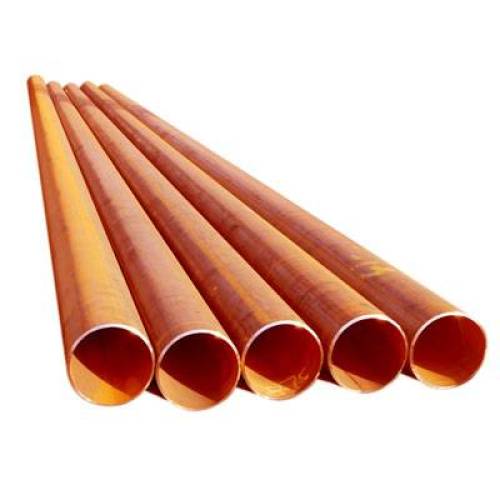
In contemporary construction and infrastructure projects, material endurance determines structural lifespan in Japan. As established Corten Steel Tubes Manufacturers in Japan, production is centred on tubes that resist atmospheric corrosion while forming a natural protective surface layer in Japan.
These tubes are developed for applications where continuous exposure to rain, humidity, and temperature variation is unavoidable in Japan. Corten steel gradually forms a dense patina that shields the base metal, reducing maintenance needs while ensuring strength and uniformity over long service periods in Japan.
Producing corten steel tubes requires precise control to balance mechanical strength with weather resistance in Japan. Manufacturing involves accurate forming, shaping, and finishing to achieve consistent wall thickness and surface integrity in Japan. Focused attention is given to forming precision, weld quality, and surface consistency during processing in Japan.
This ensures tubes retain structural stability even after prolonged exposure to harsh environments, whether used in architectural frameworks or industrial installations in Japan.

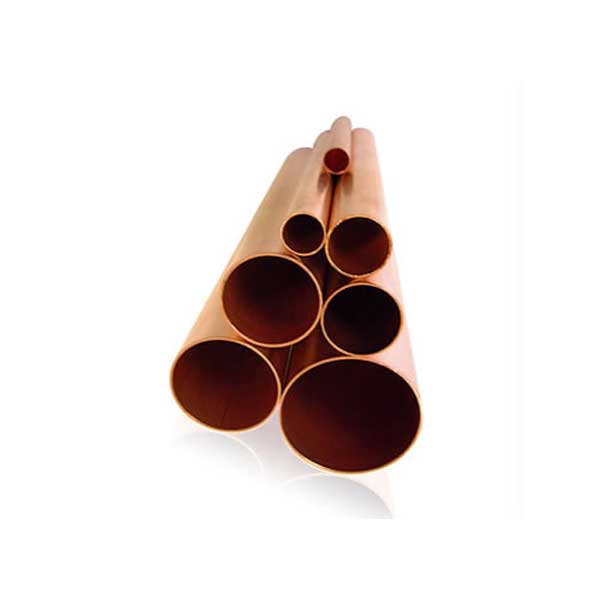
As reliable Corten Steel Tubes Suppliers in Japan, supply systems are structured to serve architects, infrastructure developers, and industrial users seeking durability with visual appeal in Japan. Buyers select corten steel tubes for their ability to form a protective layer naturally without the need for external coatings in Japan.
Industries prefer corten steel tubes for the following advantages in Japan:
This makes corten steel tubes suitable for both major infrastructure developments and modern architectural applications in Japan.
Different projects require specific tube dimensions and thickness levels in Japan. Corten steel tubes are manufactured to meet these requirements while maintaining consistent chemical and mechanical properties in Japan. Controlled forming ensures straightness, roundness, and uniform wall thickness throughout production in Japan. This precision supports performance in structures exposed to wind loads, temperature shifts, and constant outdoor exposure in Japan.
As dependable Corten Steel Tubes Exporters in Japan, supplies reach international markets that prefer weathering steel for outdoor and coastal projects from Japan. Export batches are inspected for dimensional accuracy, surface quality, and mechanical strength prior to dispatch from Japan. Global customers rely on corten steel tubes where conventional steel may corrode rapidly, ensuring long-term performance within infrastructure and architectural systems from Japan.
The available product range includes corten steel tube solutions designed for varied applications in Japan, such as:
Corten steel tubes are manufactured using high-quality weathering steel with controlled chemical composition in Japan. This allows the exposed surface to develop a stable protective oxide layer when in contact with air and moisture in Japan. Robust forming and welding processes ensure durability under mechanical and environmental stress in Japan.
Corten steel reacts with oxygen and moisture to form a dense oxide layer on its surface in Japan. Unlike conventional rust, this layer protects the underlying metal from further corrosion in Japan. The patina develops gradually over time depending on exposure conditions. Once stabilized, corrosion slows significantly, making corten steel ideal for rain, humidity, and polluted environments in Japan.
Corten steel tubes are widely applied across sectors in Japan, including:
Because corten steel eliminates frequent coatings and chemical treatments, it reduces paint and solvent usage in Japan. Its long operational life also minimizes material replacement, conserving raw materials and energy over time in Japan.
Quality assurance begins with raw material selection and continues through forming, welding, and finishing in Japan. Each tube is inspected for dimensional accuracy, surface condition, weld integrity, and mechanical strength properties before delivery to ensure compliance with industrial specifications.
Explore our Wide Range of products designed for strength, safety, and long-lasting performance on every project.
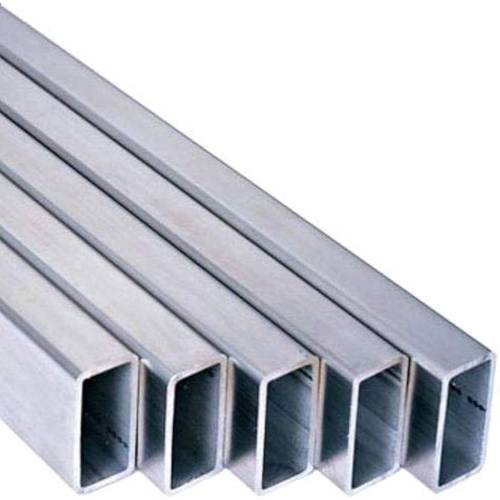
In fabrication, construction, and industrial work, rectangular pipes play a key role in supporting f...
In heavy industry, construction, and engineering projects, carbon steel pipes are valued for their s...
In construction, engineering, and fabrication, the quality of steel tubes often defines the stabilit...
In industrial construction, engineering, and infrastructure, pipe quality directly affects safety an...
In construction, infrastructure, and industrial fabrication, the quality of round steel pipes direct...
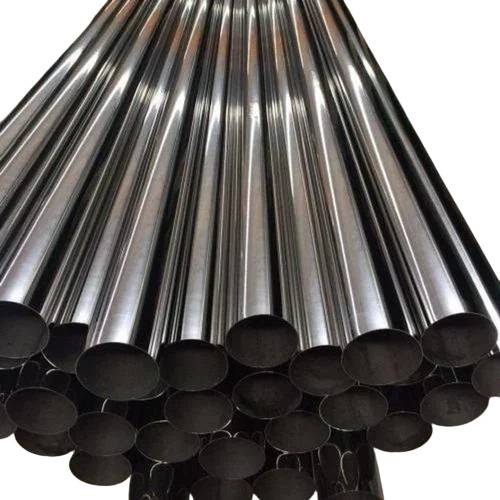
In construction, fabrication, and engineering, the surface finish and dimensional accuracy of pipes ...
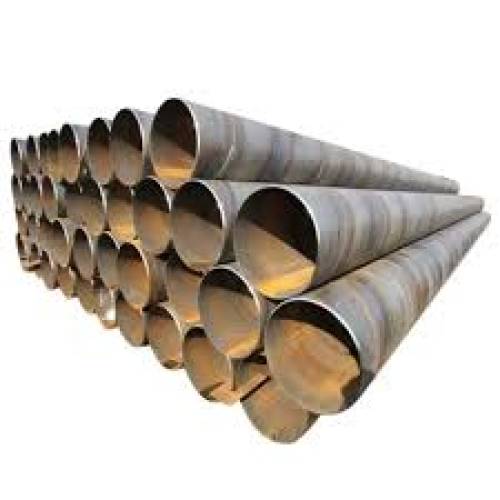
In infrastructure, construction, and pipeline projects, pipe strength and weld quality play a critic...
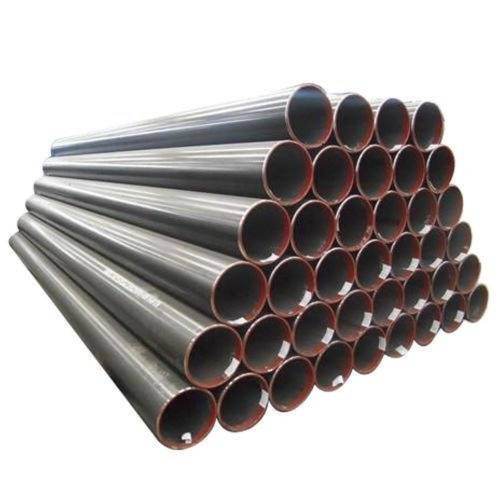
In drilling, piling, and foundation projects, casing pipes play a vital role in protecting boreholes...
No, they develop a natural protective patina and generally do not require painting in Japan.
Patina formation usually occurs over several months depending on climate conditions in Japan.
Yes, they perform well in many outdoor and coastal exposure conditions in Japan.
Yes, they can be cut, welded, and shaped using conventional fabrication methods in Japan.