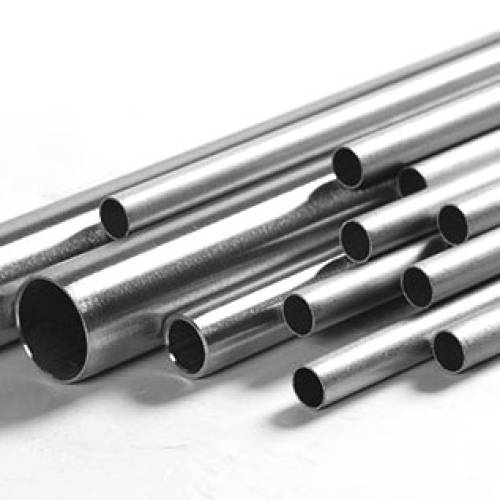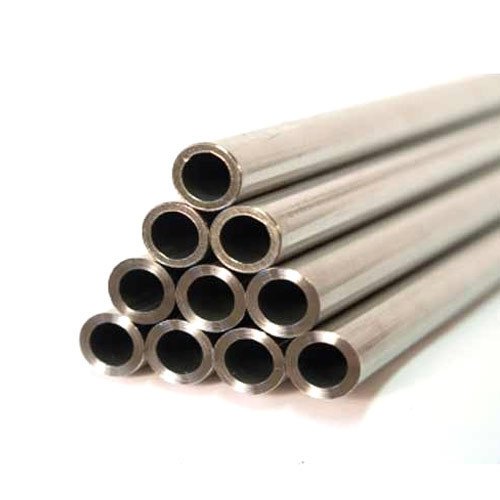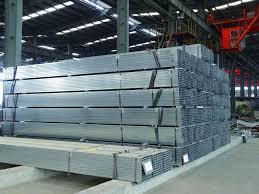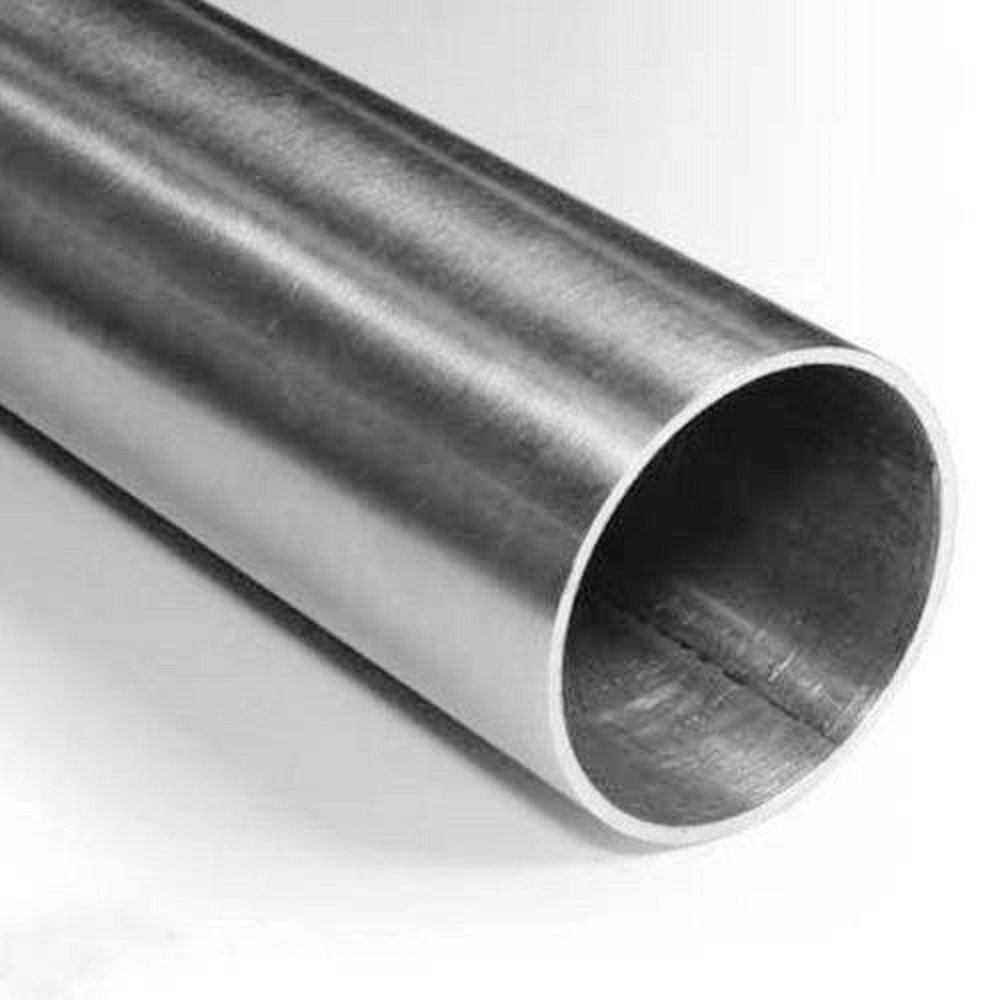
Steel pipes are among the most widely used industrial products, forming the backbone of modern infrastructure and industrial systems. Their strength, durability, and versatility make them essential across construction, oil and gas, water supply, power generation, and manufacturing industries. As global demand for reliable infrastructure continues to grow, steel pipes remain a preferred solution for long-term performance and safety.
One of the key reasons steel pipes are so widely used is their exceptional mechanical strength. Steel offers high tensile strength, impact resistance, and load-bearing capability, enabling pipes to perform efficiently under heavy pressure and stress. This makes steel pipes ideal for applications such as pipelines, structural frameworks, and industrial fluid transportation systems where reliability is critical.
Steel pipes are generally classified into welded and seamless types. Welded steel pipes are manufactured by rolling steel plates or coils and welding the seam. They are commonly used in structural applications, water distribution, scaffolding, and low-pressure systems due to their cost-effectiveness and availability. Seamless steel pipes, produced without any welded joint, provide higher pressure resistance and uniform strength, making them suitable for oil and gas, boilers, and high-temperature environments.
Another major advantage of steel pipes is their adaptability to various conditions. They can be manufactured in different diameters, wall thicknesses, and lengths, allowing customization based on project requirements. Steel pipes can also be coated with protective layers such as galvanizing, epoxy coating, or powder coating to enhance corrosion resistance and extend service life in harsh environments.
Steel pipes are also valued for their excellent performance in fluid and gas transportation. Their smooth internal surface minimizes friction, allowing efficient flow and reduced energy consumption. This makes them highly effective for transporting water, oil, gas, steam, and chemicals over long distances.
Sustainability is another important factor driving the use of steel pipes. Steel is 100% recyclable and can be reused without losing its structural properties. This makes steel pipes an environmentally responsible choice, supporting green construction and sustainable industrial practices. Many industries prefer steel piping systems because they combine durability with eco-friendly benefits.
In construction and infrastructure, steel pipes are widely used for piling, columns, structural supports, and bridges. In industrial sectors, they play a vital role in refineries, power plants, chemical processing units, and manufacturing facilities. Their ability to perform consistently in demanding conditions makes them indispensable across multiple industries.
In conclusion, steel pipes continue to be the foundation of modern infrastructure and industrial development. Their strength, durability, versatility, and sustainability make them a trusted choice for engineers and project planners worldwide. As industries evolve and standards become more stringent, steel pipes will remain a critical component in building safe, efficient, and long-lasting systems.